What separates strong visuals from forgettable ones is no longer the camera. It is the thinking behind it.
At Film Roxx, we see technology as a support system for creativity, not a replacement. The visuals that truly work are built on intention, planning, and human judgment, with tools helping us execute better and smarter.
This article takes you behind the scenes of how we use modern technology to create visuals that are relevant, consistent, and meaningful, without losing the human touch.

Why Visual Strategy Matters More Than Ever
Video is no longer optional for brands.
According to Wyzowl’s 2024 Video Marketing Statistics, 95 percent of marketers say video is an important part of their strategy, and over 90 percent report a positive return on investment from video content.
But more content does not automatically mean better results.
Without strategy, visuals become noise.
Strong visuals do not start with filming. They start with clarity.
Visual Reference

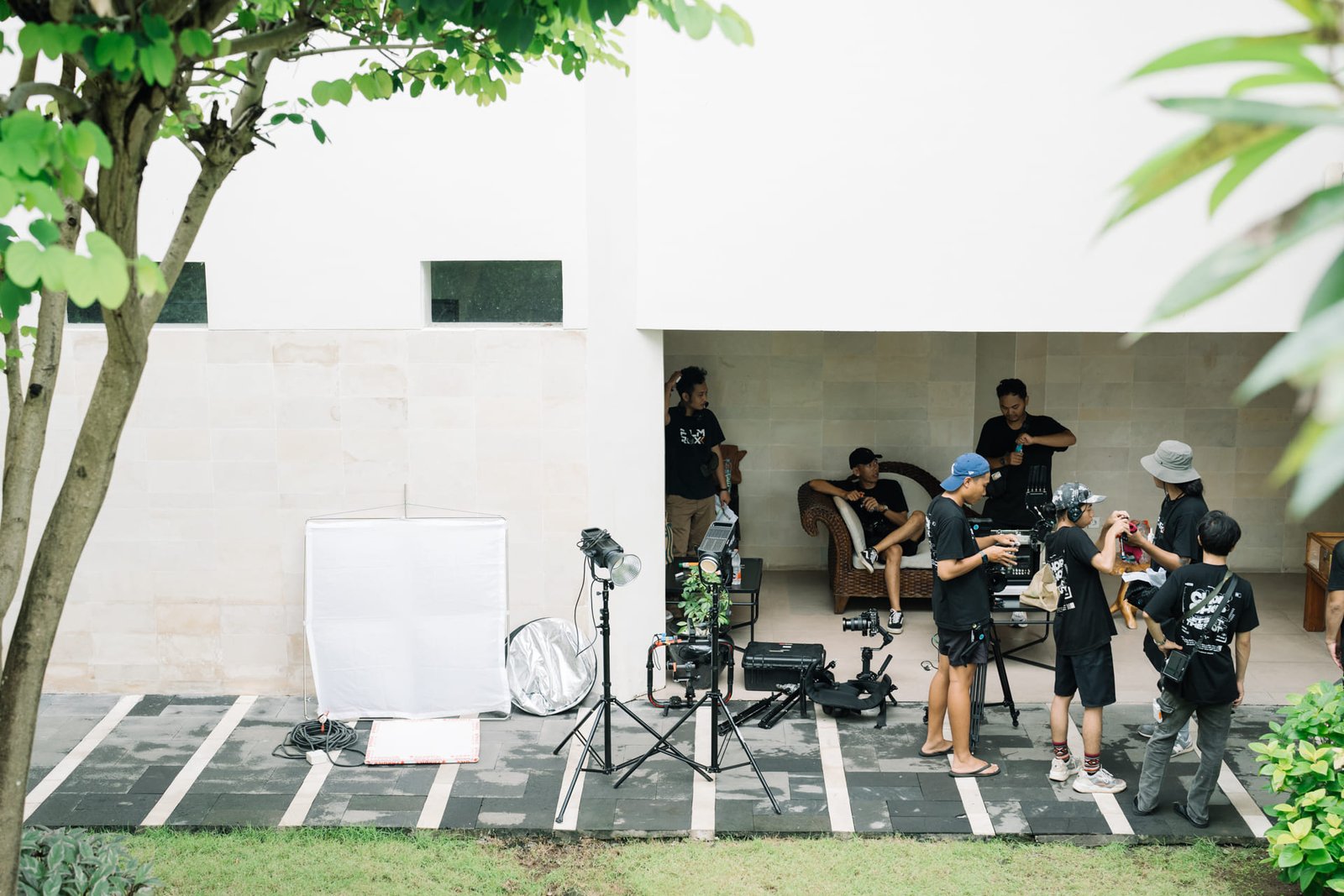
This visual reinforces the idea that tools support decisions, not the other way around.
Innovation Starts Before the Camera Turns On
Many people think visual innovation begins when the camera starts recording.
In reality, most of the quality is decided before that moment.
Studies from content strategy research show that brands with documented creative and content strategies are significantly more likely to achieve higher ROI than those without one, according to the Content Marketing Institute.
Before production, we focus on planning supported by technology to answer essential questions.
What problem is this video trying to solve.
Who is the audience and how do they consume content.
Which platform will define the format and rhythm.
Technology gives us insight and structure. Humans decide direction and meaning.

AI Is a Creative Assistant, Not the Director
AI has become part of modern creative workflows, but it should never replace creative judgment.
Research from HubSpot shows that more than 80 percent of marketers use AI tools in content creation, mainly to improve efficiency and idea exploration.
At Film Roxx, we use AI to support early stages of creativity. This includes exploring visual moods, testing rough concepts, and streamlining repetitive tasks.
What AI does not decide is emotional tone, storytelling, pacing, or cultural relevance. These elements require human understanding and experience.
AI expands what is possible. Human intuition decides what is worth creating.
Smart Workflow Leads to Consistent Quality
Creating great visuals once is easy. Creating them consistently requires a system.
Our workflow is built around collaboration and clarity. Tools like Notion help us document creative direction. Frame.io allows clear and efficient feedback. Adobe Premiere Pro and After Effects help us deliver polished results.
According to research published by Martech Zone, teams that rely on structured workflows and automation reduce production time significantly and experience fewer revision cycles.
Workflow does not limit creativity. It protects quality and consistency.
Technology Frees Us to Focus on Story
When tools handle technical and repetitive tasks, creative teams gain time to focus on what matters most, story.
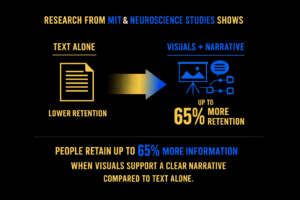
Story forces us to ask better questions.
- What emotion should this create
- What message should remain after watching
- Will this still be relevant months from now
High quality visuals are not about resolution or effects. They are about clarity, intention, and longevity.
Future Ready Visuals Require Future Ready Thinking
Brands today do not just need content. They need visual systems that can adapt to new platforms, algorithm changes, and evolving audience behavior.
Innovation for us is not about chasing the newest tools. It is about integrating strategy, creativity, and technology into a system that scales.
Industry data shows that video remains one of the highest performing content formats across awareness, engagement, and conversion metrics, according to research by Visual Production Partners and HubSpot.
Strong foundations outperform short term trends.
Conclusion
Visuals should not be built only to survive the next trend cycle.
They should be built to last.
Technology will continue to evolve, but it will never replace creative thinking. It will only amplify it.
At Film Roxx, we believe the strongest visuals come from the balance between strategy, human insight, and smart tools. That balance is what allows brands to stay relevant today while remaining recognizable tomorrow.
Because the visuals that matter most are not the ones that change the fastest.
They are the ones people remember.