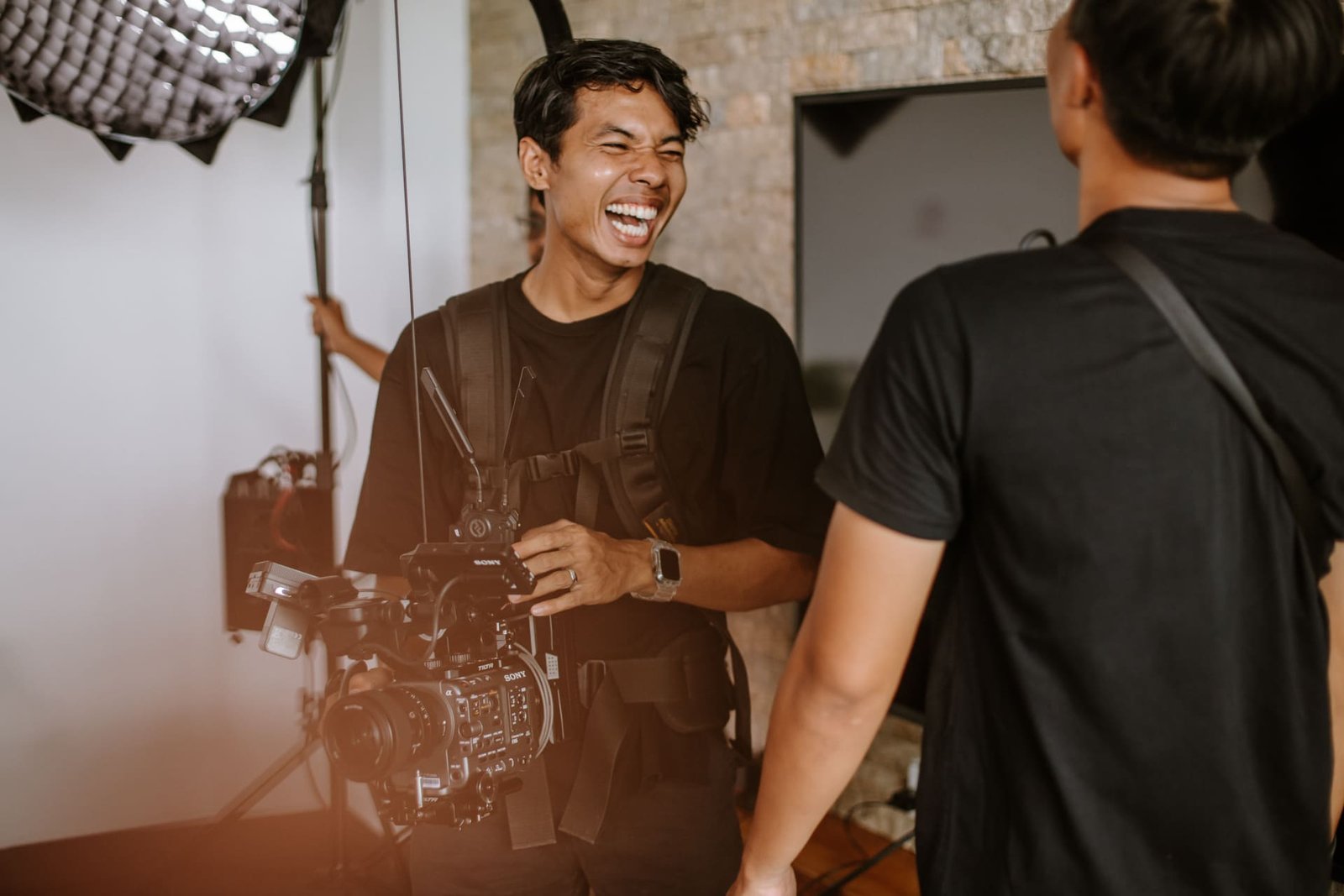
Sony’s FX3 remains one of the most talked-about cinema cameras for storytellers and video professionals. Even as gear evolves into 2026, the FX3 continues to be a compelling choice for creatives who want performance, mobility, and cinematic quality without compromising on workflow or tools.
In this article, we cover:
- What makes the Sony FX3 special
- How it compares to the Sony FX30
- Whether it is suitable for low-light video projects
We’ll also share visual reference ideas you can include in your own content.
What Are the Main Features of the Sony FX3?
The Sony FX3 is designed for filmmakers and video professionals who want cinematic imagery with compact mobility. Its full-frame sensor gives it advantages that still matter in 2026 workflows.
Key features include:
- Full-frame Exmor R CMOS sensor, optimized for video capture with wide dynamic range and high sensitivity.
- 4K video up to 120 frames per second and Full HD up to 240 fps for smooth slow motion.
- Dual native ISO for clean performance in various light conditions.
- 10-bit color depth and 4:2:2 sampling for rich color grading.
- Active cooling system that maintains performance during extended grabs.
- Professional audio input options via XLR adapter for high-quality sound capture without external recorders.
- Robust connectivity and monitoring features for remote control and confidence in setup.
The FX3 combines cinema-class features with a form factor that is well-suited for run-and-gun work, interviews, narrative shoots, and high-end content creation.
How the FX3 Compares to Other Professional Video Cameras
To see where the FX3 sits among peer models, let’s look at how it compares specifically to the Sony FX30, another popular choice from Sony’s Cinema Line.
Sony FX3 vs Sony FX30 — Key Differences
Sensor and Image Quality
The FX3 features a full-frame sensor, giving it a wider field of view and better low-light performance overall. The FX30 uses a Super 35 (APS-C) sensor, which trades some sensitivity for higher pixel density and slightly sharper detail at base ISO.
Video Capabilities
Both cameras record 4K up to 120 fps and support professional codecs like 10-bit 4:2:2, S-Log3, and S-Cinetone color science. However, the FX3 does so with a larger sensor and less crop factor at higher frame rates, which helps retain more image information and latitude.
Professional Features and Ergonomics
The FX3 has an active cooling system that allows for consistent performance over long durations. The FX30 also offers strong performance but can show more crop or noise under certain conditions — especially when pushed in challenging lighting.
Lens Compatibility
Both models use Sony’s E-mount lenses, but the full-frame nature of the FX3 allows use of full-frame glass without as much crop limitation, which is an advantage for wider shots or shallow depth of field.
Is the FX3 Suitable for Low-Light Video Recording?
If your production frequently involves dim interiors, night scenes, or low ambient conditions, sensor performance is one of the most important considerations.
The Sony FX3 excels here thanks to:
- A larger full-frame sensor with strong light gathering.
- Dual native ISO that minimizes noise across various settings.
- Up to ISO 409,600 expandable range for extreme low-light scenarios.
Many filmmakers report that the FX3’s noise control at high ISO is significantly cleaner than crop-sensor alternatives such as the FX30, making it better suited for challenging environments where lighting cannot be fully controlled.
This capability is one reason the FX3 retains relevance in 2026 production environments from event documentation to cinematic narrative work.
Conclusion
In 2026, the Sony FX3 remains a relevant choice for creators targeting professional-grade video quality with flexibility and cinematic potential. Its full-frame sensor, extensive codec support, internal cooling, and clean low-light performance make it a strong asset in both controlled and run-and-gun setups.
Compared to the Sony FX30, the FX3 still delivers richer light sensitivity, better dynamic range, and stronger handling of complex lighting conditions. Meanwhile, the FX30 offers excellent value and portability for creators who don’t need full-frame performance.
Whether you are evaluating gear for brand films, corporate storytelling, or high-end content, the FX3 continues to offer tools that help creators deliver quality without compromise.